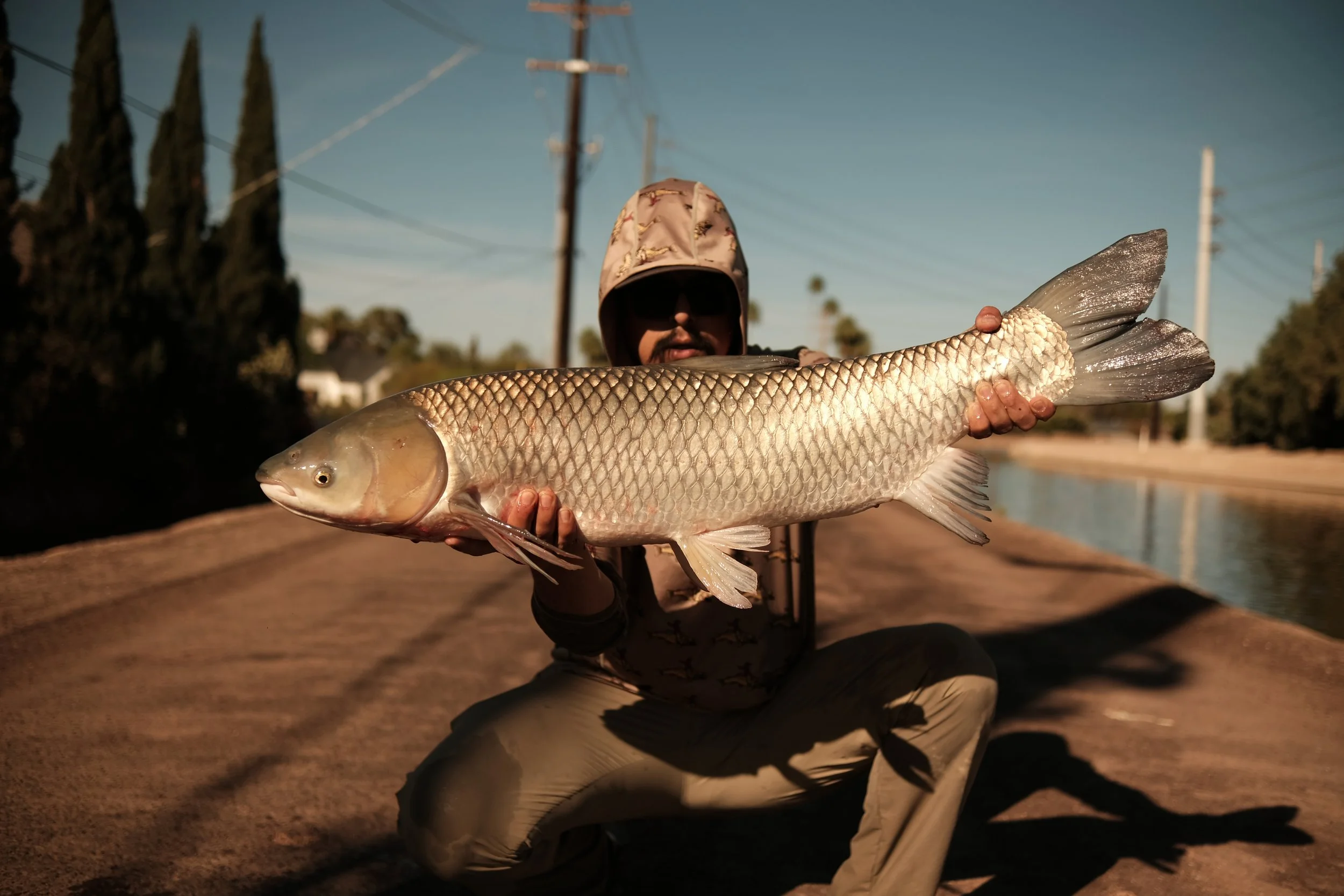
fishing for urban monsters- desert bonefish (carp) on the fly
CARP - THE DESERT BONEFISH
Grass Carp 101: The “Desert Bonefish” of Arizona Canals
If you’ve ever spotted a massive, torpedo-shaped fish ghosting through an Arizona canal, chances are you’ve seen a grass carp. These fish are one of the most unique species we target at Dirty Verde Outfitters—and for good reason. They’re powerful, elusive, and earned the nickname “desert bonefish” for how challenging (and rewarding) they are to catch.
What Are Grass Carp?
Grass carp (also known as white amur) are a species of herbivorous fish originally from Asia. Unlike common carp, which feed along the bottom, grass carp primarily eat vegetation. They’re long, sleek, and built for cruising—often seen slowly gliding just beneath the surface or along canal edges.
Because of their diet and behavior, they can be extremely selective and wary. That’s part of what makes them such an exciting target.
Why SRP Uses Grass Carp
The Salt River Project (SRP) stocks grass carp in canals as a natural form of vegetation control. Instead of relying solely on mechanical removal or chemicals, these fish help manage aquatic weeds by… eating them.
A single grass carp can consume a significant amount of vegetation daily, helping keep canals flowing efficiently. It’s an environmentally friendly solution that also happens to create a unique fishery right here in the desert.
How Big Do They Get?
Grass carp get big—really big.
In Arizona canals, it’s not uncommon to see fish in the 20–40+ pound range, and even larger fish are out there. They grow quickly in these nutrient-rich systems and have very few natural predators once they reach a certain size.
Hooking one is like hooking a freight train—but getting them to bite is the real challenge.
Why We Call Them the “Desert Bonefish”
Bonefish are famous for being one of the most difficult and technical fish to catch in saltwater flats. Grass carp bring that same energy to freshwater canals.
They’re:
Incredibly spooky – One wrong move and they’re gone
Highly selective feeders – Presentation matters more than anything
Visual targets – You often see them before you catch them
Ridiculously strong – Long, fast runs that test your gear
It’s not just fishing—it’s hunting.
You’ll stalk fish in clear water, make precise casts, and try to fool a fish that’s seen it all. When it comes together, it’s one of the most satisfying catches you can experience.
Why We Target Them at Dirty Verde Outfitters
Anyone can catch a fish. Not everyone can consistently fool a grass carp.
At Dirty Verde Outfitters, we specialize in teaching anglers how to approach these fish the right way—from spotting and stalking to bait presentation and hookset timing. It’s a thinking angler’s game, and that’s what makes it so addictive.
If you’re looking for something beyond the usual, grass carp offer a challenge that rivals any saltwater flats trip—without leaving Arizona.
Ready to Chase the Desert Bonefish?
They’re big. They’re smart. And they’re right here in our canals.
If you want to test your skills against one of the most underrated sportfish in the Southwest, come see what grass carp fishing is all about.
Dirty Verde Outfitters — where desert canals turn into world-class fisheries.
Canal Giants: How to Land Monster Carp (and Why Dirty Verde Outfitters Is Your Best Bet)
If you think you need a remote lake or a far-off river to hook into a true giant, think again. Some of the biggest, hardest-fighting carp in Arizona are lurking right under your nose—in canals. These overlooked stretches of water are home to massive fish that demand skill, patience, and the right strategy. At Dirty Verde Outfitters, we specialize in turning these hidden opportunities into unforgettable fishing experiences.
Why Canal Fishing for Carp Is So Effective
Canals are often dismissed as “easy” or “unremarkable,” but seasoned anglers know better. These waterways are consistent, nutrient-rich environments that support rapid fish growth. Translation: big carp.
Unlike lakes, canals create predictable patterns. Current flow, structure, and feeding zones are easier to read once you know what to look for. Carp stack up in key areas—bends, inflow points, and shaded edges—making them accessible if you understand their behavior.
But don’t let accessibility fool you. These fish are pressured, smart, and incredibly powerful. Hooking a monster canal carp is one thing—landing it is another.
The Challenge of Monster Carp
Carp in canals fight differently. Tight quarters, strong current, and obstacles like concrete edges and vegetation mean every second counts once you're hooked up. These fish will test your drag, your knots, and your nerves.
That’s where experience matters.
From bait selection to presentation, small details make a massive difference. Knowing when to stay subtle and when to go aggressive can be the deciding factor between a quick break-off and the fish of a lifetime.
Our Approach at Dirty Verde Outfitters
We don’t just take you fishing—we teach you how to consistently target and land trophy carp in canal systems.
Here’s what sets us apart:
Local Knowledge That Wins
We’ve spent countless hours scouting and fishing Arizona canals. We know where the big fish hold, how they move, and what they’re feeding on throughout the year.
Proven Techniques
From pack bait methods to precision rigging, we dial in techniques that produce results. No guesswork—just strategies that work.
Top-Tier Gear Guidance
You don’t need a truckload of equipment, but you do need the right setup. We help you optimize rods, reels, line, and terminal tackle for canal conditions.
Hands-On Coaching
Whether you’re new to carp fishing or looking to level up, we provide real-time guidance so you can improve with every cast.
Why Choose Dirty Verde Outfitters?
Anyone can point you toward a canal. We show you how to dominate it.
When you fish with Dirty Verde Outfitters, you’re not just hoping to catch something—you’re targeting giants with purpose. We focus on education, technique, and experience so that you leave with more than just photos. You leave with skills.
And when that reel starts screaming and a 20+ pound carp is peeling drag down a narrow canal, you’ll understand exactly why preparation matters.
Ready to Hook a Canal Monster?
If you’re tired of guessing and ready to start catching, it’s time to fish smarter. Canal carp fishing is one of the most exciting and underrated challenges out there—and we’re here to help you master it.
Book your trip with Dirty Verde Outfitters and discover what’s really swimming in those canals.
The monsters are closer than you think.
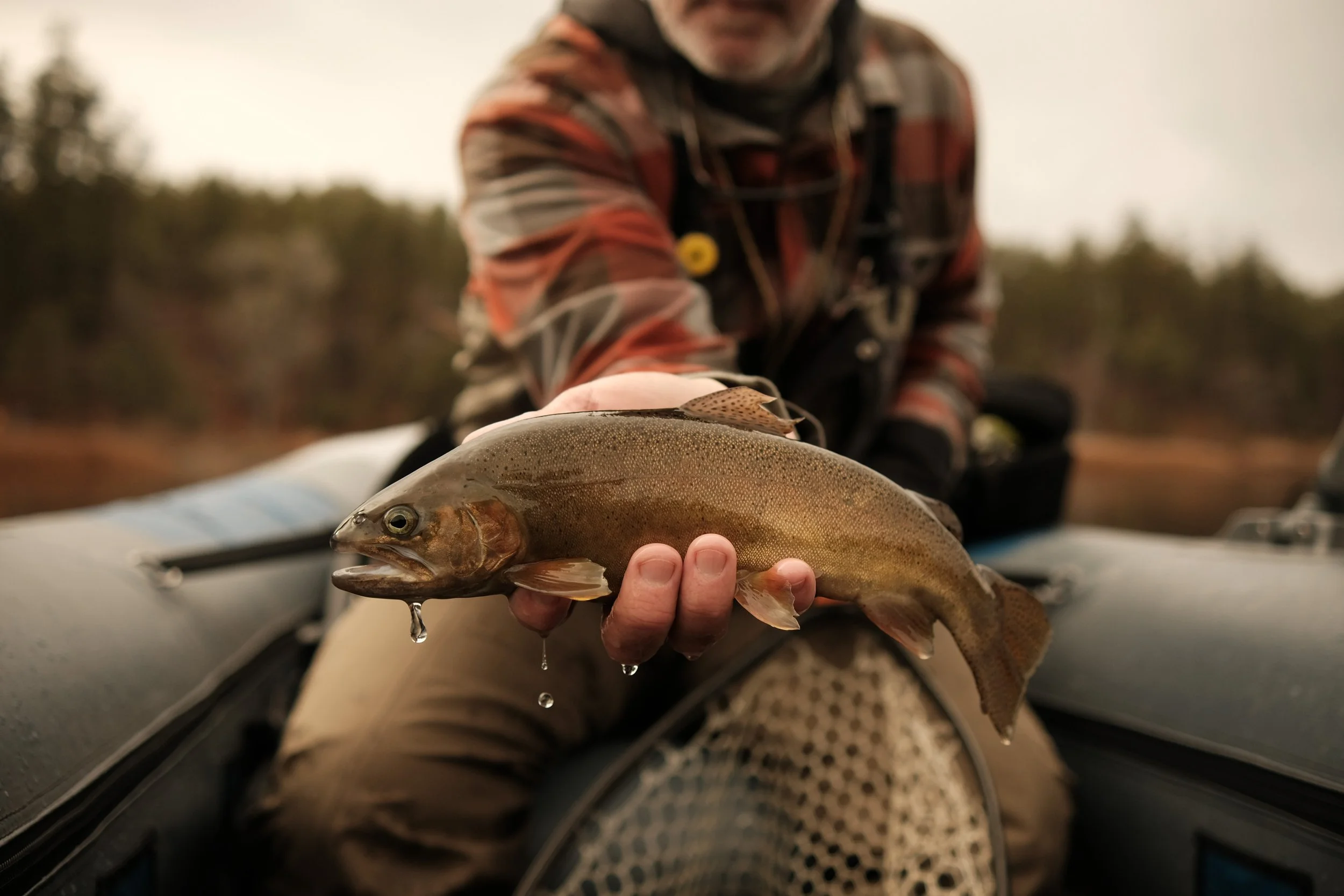
The Gila Trout in Arizona: A Native Treasure for Fly Fishing Anglers
When anglers think of fly fishing in Arizona, places like Sedona, Oak Creek, and Prescott often come to mind. While many of these waters are known for introduced trout species, Arizona is also home to one of the rarest native fish in North America—the Gila trout (Oncorhynchus gilae). Found only in the Southwest, this striking trout represents the heart of Arizona’s native fisheries and a major conservation success story.
A Native Trout of Arizona’s Wild Waters
Unlike rainbow or brown trout commonly found near Sedona or Oak Creek, the Gila trout is truly native to the region. It evolved in the Gila River basin of Arizona and New Mexico, adapting to variable flows, warmer water temperatures, and rugged landscapes that define much of the state’s high country.
Gila trout are easily recognized by their golden-yellow bodies, scattered dark spotting, and vivid red or orange coloration along the belly. For fly fishing anglers, encountering one feels different—more personal—than catching a stocked fish near popular destinations like Prescott or Sedona.
Conservation Success in Arizona
By the mid-1900s, the Gila trout was nearly lost forever. Wildfires, drought, habitat degradation, and competition from non-native trout pushed the species to the brink of extinction. Hybridization with rainbow trout—common in waters such as Oak Creek—further threatened the Gila trout’s genetic purity.
Decades of conservation work by Arizona Game and Fish and federal agencies changed that trajectory. Through habitat restoration, removal of non-native trout, and carefully managed reintroductions, the Gila trout made an extraordinary recovery. In 2021, it was officially removed from the endangered species list, though it remains classified as threatened.
Where Gila Trout Live in Arizona
Gila trout waters in Arizona are intentionally limited and tightly regulated. While they are not found in heavily trafficked areas like Oak Creek in Sedona or popular fly fishing spots near Prescott, they live in select remote streams and stillwater fisheries in eastern and southeastern Arizona.
These waters offer a very different experience from roadside fly fishing locations. Expect solitude, light pressure, and a slower pace—perfect for anglers seeking a meaningful connection rather than high catch numbers.
Always check current Arizona fishing regulations before planning a trip, as Gila trout waters often have special rules, seasonal closures, or catch-and-release requirements.
Fly Fishing for Gila Trout
Fly fishing for Gila trout is about precision and respect. Light rods, delicate presentations, and small flies are key. Dry flies, soft hackles, and lightly weighted nymphs often work well, depending on conditions.
Because of their conservation status, proper handling is essential:
Use barbless hooks
Wet your hands before touching the fish
Minimize air exposure
Release fish quickly and gently
For many Arizona fly fishing anglers, catching a Gila trout becomes a lifelong goal—on par with fishing Oak Creek beneath Sedona’s red rocks or exploring new water near Prescott.
Why the Gila Trout Matters
The Gila trout is more than just another fish to add to a list. It’s a symbol of healthy watersheds and proof that conservation works. Protecting native trout means protecting clean water, intact riparian zones, and the future of fly fishing in Arizona.
While destinations like Sedona, Oak Creek, and Prescott introduce many anglers to fly fishing, the Gila trout represents a deeper step—an opportunity to engage with Arizona’s natural history and its wildest fisheries.
A Rare Fish, A Lasting Experience
The story of the Gila trout in Arizona is one of resilience and responsibility. As climate change and wildfire continue to challenge Southwestern waters, careful management and ethical fly fishing will play a critical role in the species’ future.
If you’re fortunate enough to encounter a Gila trout, treat it with care. You’re holding a living piece of Arizona’s past—and helping protect its future.
Want to target this incredible species of Trout? Book a trip with us here! The Gila Program
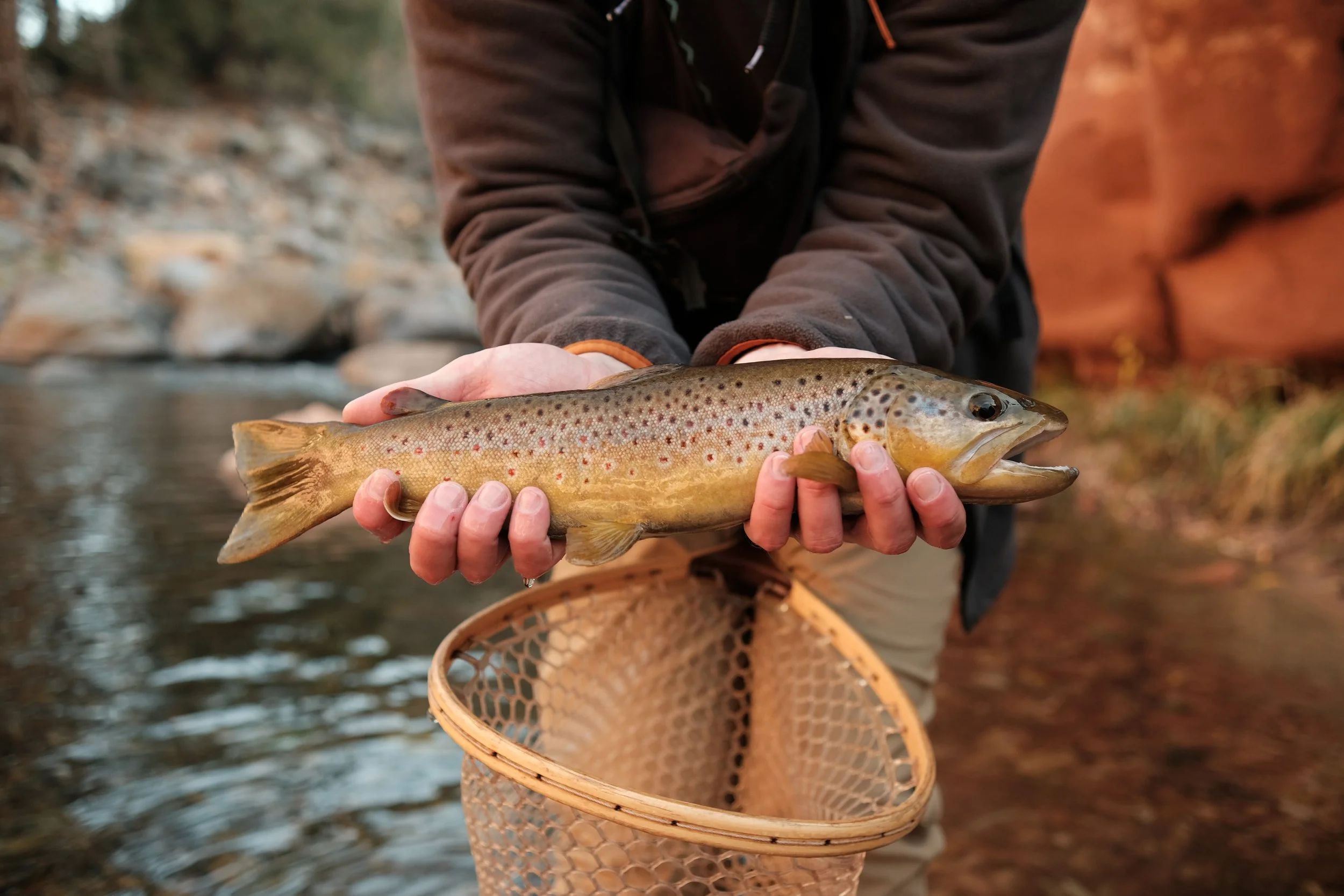
Fishing Oak Creek Sedona AZ: Best Spots, Tips & Guided Tours for Trout and Bass
Fishing Oak Creek Sedona AZ: Best Spots, Tips & Guided Tours for Trout and Bass.
If you’re heading to Sedona and looking to land fish while soaking in incredible scenery, the creek flowing through town — Oak Creek — offers a rare mix: trout in the cooler upper sections, and bass (plus other warm-water species) further downstream. Below is a detailed guide on both, and how you can join my guided fishing tours to make the most of it.
Why Oak Creek is a Great Fishing Spot
Oak Creek flows through the red-rock landscape of the Coconino National Forest and around Sedona, making for stunning surroundings while you fish.
It supports both trout and bass (among other species). For example: rainbow and brown trout upstream, largemouth and smallmouth bass downstream.
The stream is relatively accessible along State Route 89A, with pull-offs and trails.
Trout Fishing on Oak Creek
Where
The upstream sections (north of the tourist/swimming zones) are best for trout — especially wild brown trout and stocked rainbow trout. OR Book our private section of Oak Creek!
Note: A special regulation zone: from the Hwy 89A bridge at Slide Rock State Park upstream to the Sterling Springs Hatchery boundary (including West Fork) is catch-and-release only for trout; artificial flies and lures only; barbless hooks required.
What works
Flies: Nymphs, streamers, dry flies depending on conditions. “Small flies, light lines” are often recommended.
Spinners / inline gear also reported working for trout in some stretches.
Go early morning to beat the heat and crowds; clarity and flow matter.Tips
Be stealthy: many pools are clear and fish are easily spooked.
Match your fly/ lure to what’s happening on the water (dry fly mayfly hatch, etc.).
Respect the special regulation stretch: barbless, artificial only.
Bass Fishing on Oak Creek
Where
Downstream sections, where water warms up and trout become less dominant, are better for warm-water species like largemouth and smallmouth bass.
The regulations allow unlimited smallmouth and largemouth bass on Oak Creek.
What works
Soft plastics, natural-colored lures, crankbaits near deeper pools and undercut banks. Fishing Reports Today
Since trout may dominate upstream, shifting to downstream zones gives you better bass chances.
Tips
Use heavier gear than trout setups (bass tend to lurk in deeper holes, structure).
Afternoon may yield better bass activity when water warms a bit.
Explore deeper pools, under banks or woody structure.
My Guided Fishing Tour – Why Join
I know the access points, flow/ temperature conditions, and best stretches for both trout & bass in Oak Creek.
Whether you’re a fly-fisher (for trout) or want to target bass with spinning gear, we can tailor the outing.
Equipment & instruction available (especially helpful if you’re new).
We’ll pick the right time of day, right stretch of creek, and right tactics to maximize your experience.
Regulations & Access Reminders
You’ll need a valid Arizona fishing license. For details visit the Arizona Game and Fish Department site.
Pay attention to the catch-and-release zone for trout (see above).
In certain seasons or after rain/monsoon, water clarity or flow may hinder fishing; check recent reports.
Summary
If you’re looking for a destination that mixes nature, scenery and fishing diversity, Oak Creek is a fantastic pick. Whether you’re after the elegance of trout in clear canyon waters or the fight of bass downstream, you’ll find it. And by joining one of my guided tours, you’ll avoid some of the guesswork and hit the spots that work.